Knowledge hub
AMD knowledge hub
Everything you need to know about age-related macular degeneration, explained clearly by our clinical team.
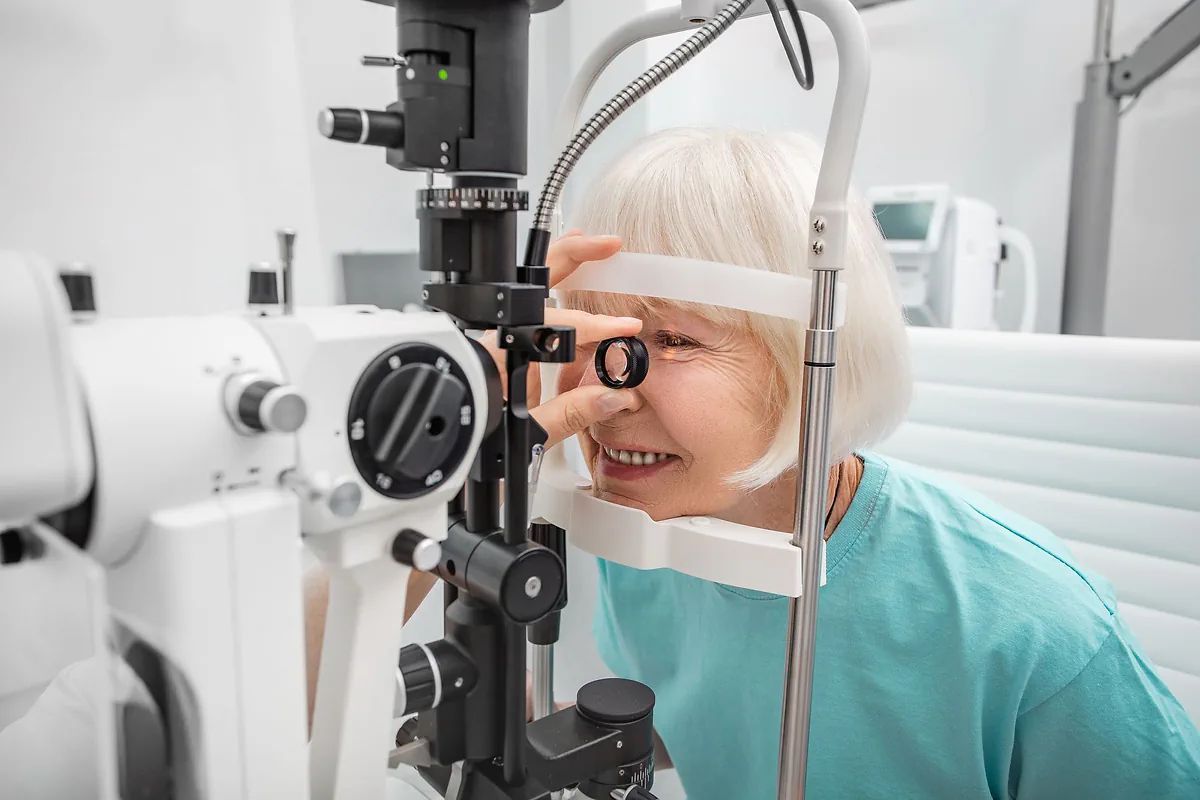
What is Age-Related Macular Degeneration?
Age-related macular degeneration (AMD) affects approximately 700,000 people in the UK, meaning Macular disease is the biggest cause of sight loss in the UK. Most of those affected are over the age of 50 but it can happen earlier in life.
Read more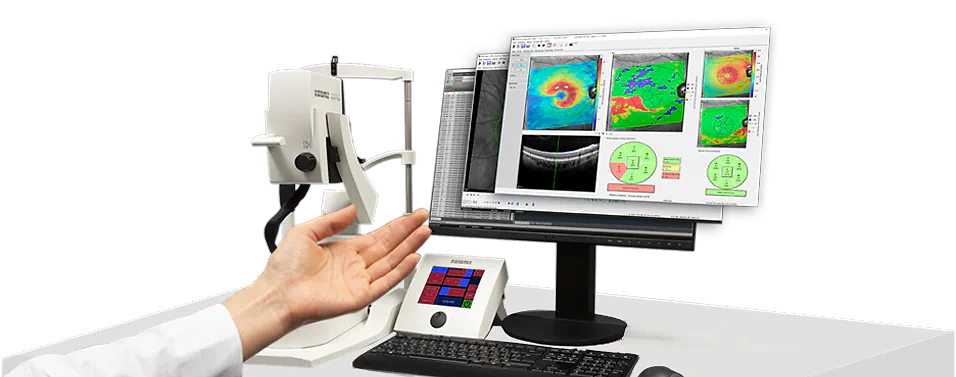
Diagnosis and Treatment of AMD
Some opticians have equipment in order to photograph the back of your eye and detect signs of early macular degeneration - these machines are called optical coherence tomography scans (OCT scans) which will take a cross section image of your retina. These tests may incur a charge but they are important to monitor your eye health.
Read more
Symptoms of Dry AMD
Dry age-related macular degeneration is where, over the years, the cells slowly deteriorate as the retinal cells die off and are not renewed and impact the central vision. While the condition is called ‘dry’, this does not mean dry eyes, it is to differentiate between wet AMD.
Read more
Symptoms of Wet AMD
Wet age-related macular degeneration (AMD) develops when atypical blood vessels grow into the macula. These blood vessels are delicate and will leak blood or fluid which leads to scarring of the macula and causes rapid loss of central vision.
Read more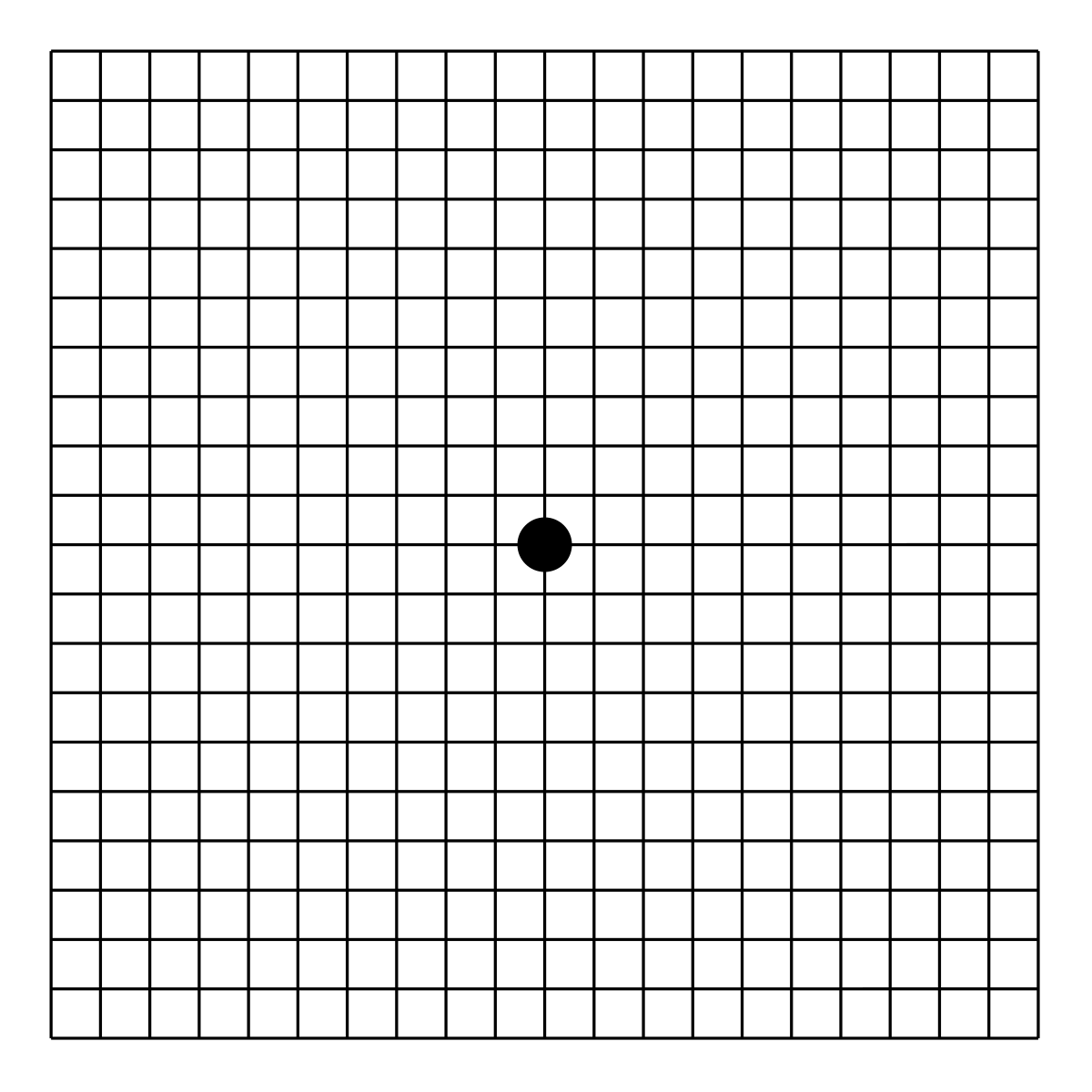
What is the difference between dry and wet AMD?
What is the difference between wet and dry AMD?
Read more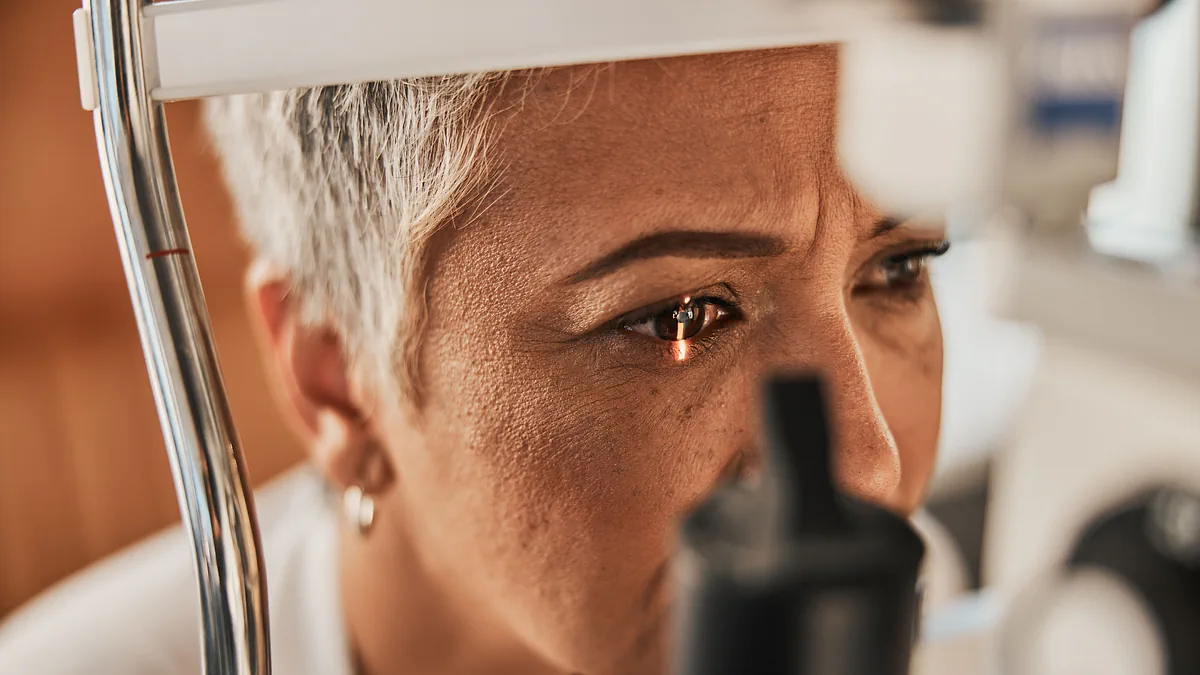
What is Retinal Detachment?
Retinal detachment is a serious eye condition in which the retina, the light-sensitive layer of tissue at the back of the eye, separates from the underlying layers of the eye. This can result in a loss of vision or blindness if not treated promptly.
Read more
What are Eye Floaters?
Floaters are small dark shapes that float across your vision. They can look like spots, threads, squiggly lines, or even little cobwebs. Most people have floaters that come and go, and they often don't need treatment. But sometimes floaters can be a sign of a more serious eye condition.
Read more