What is Ocular Hypertension?
Ocular hypertension means the pressure inside your eye is higher than normal, without damage to your sight. Learn what it means and why it raises your risk of glaucoma.
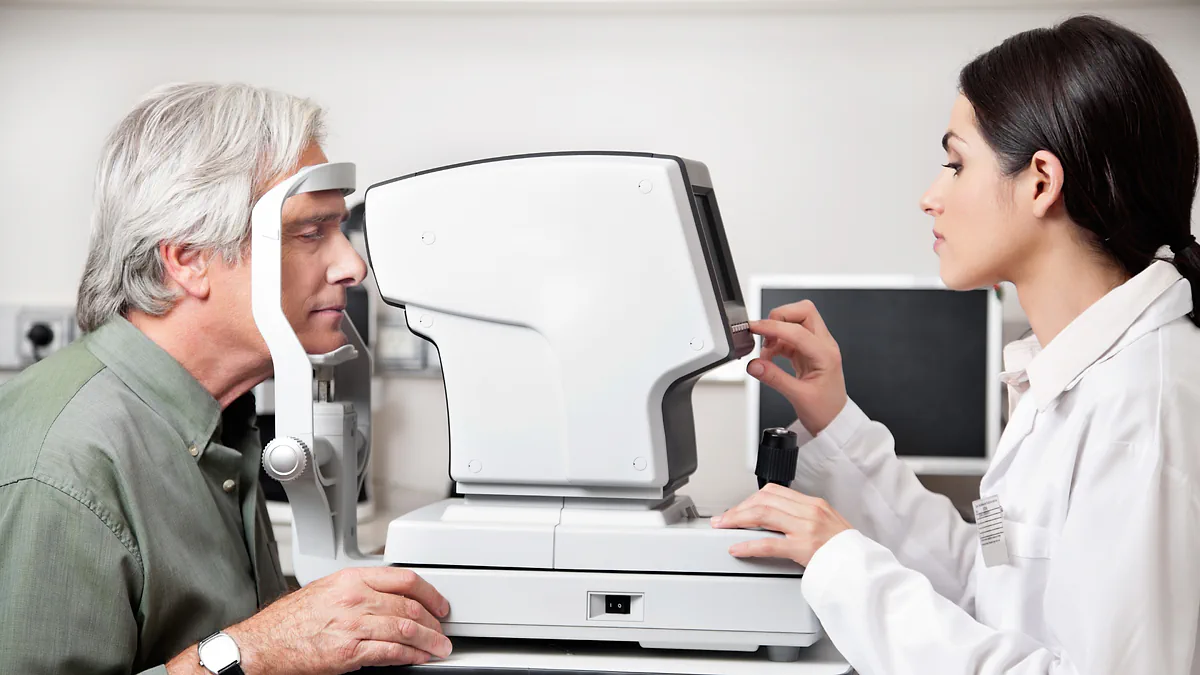
Ocular hypertension refers to the condition where the pressure inside the eye (intraocular pressure) is higher than the normal range but without any signs of damage to the optic nerve or loss of vision.
Intraocular pressure (IOP) is typically measured using a tonometer and a reading of 12-22 mmHg is considered normal. However, some people can have elevated IOP without any symptoms or damage to their eyes. Ocular hypertension is a common condition and is a significant risk factor for developing glaucoma, a group of eye conditions that can cause irreversible vision loss.
It is important to note that not everyone with ocular hypertension will develop glaucoma, and not all cases of glaucoma are associated with ocular hypertension. However, regular eye exams and monitoring of IOP are crucial in detecting and managing ocular hypertension, as well as preventing progression to glaucoma.